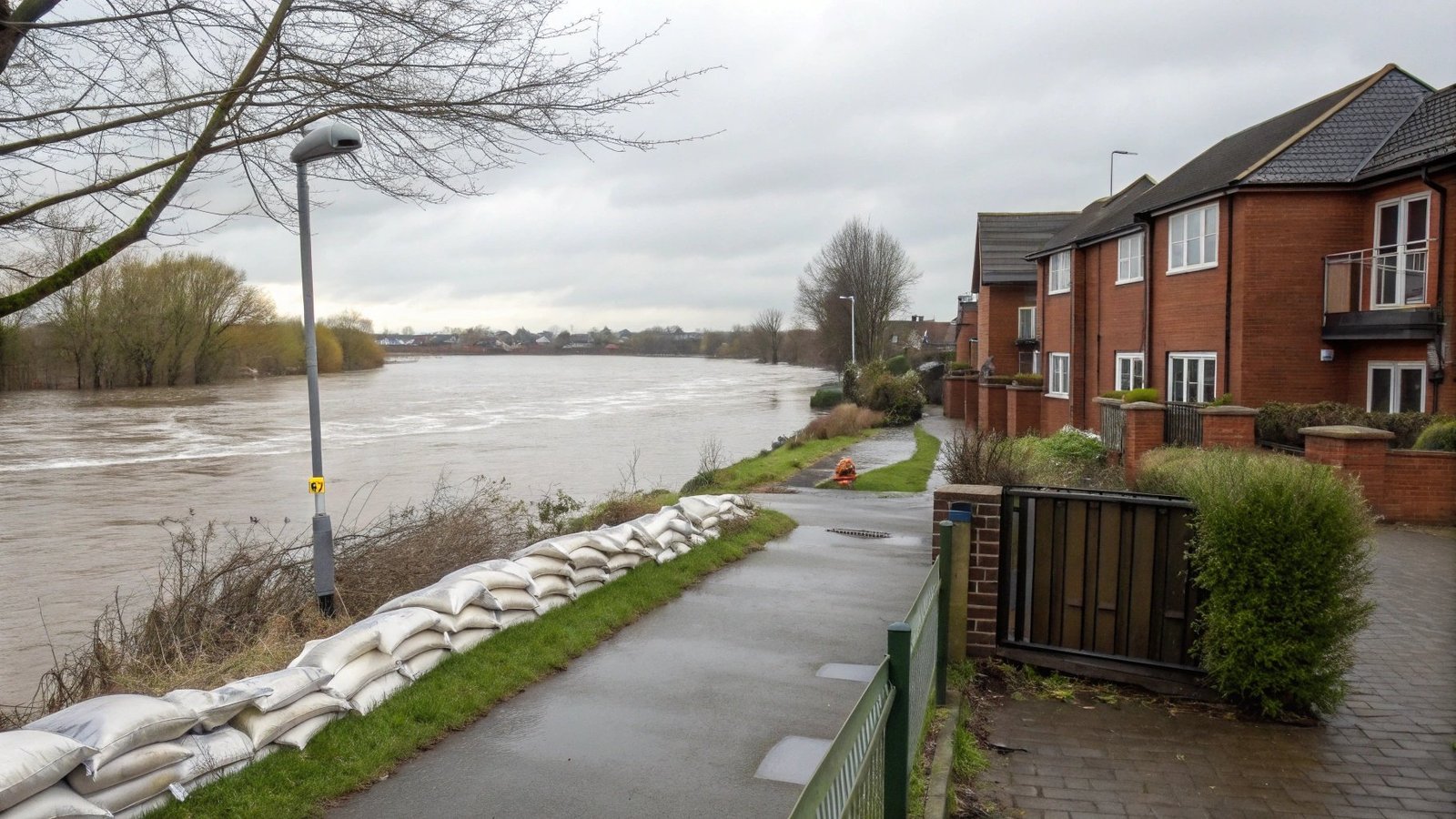
Flood risk is a critical consideration when buying a home in Preston. With the River Ribble flowing through the area and several tributaries across Lancashire, understanding flood zones and protection measures is essential for property buyers.
As surveyors in Preston with extensive knowledge of the local property market, we've seen firsthand how flooding affects properties and property values. This comprehensive guide explains everything you need to know about flood risk in Preston and how to protect your investment.
Understanding Flood Risk in Preston
Preston's geography makes certain areas more vulnerable to flooding than others. The city sits at a relatively low elevation where the River Ribble meets the Irish Sea, and several streams and watercourses cross the area.
Key Flood Risk Areas in Preston
River Ribble Corridor
The most significant flood risk in Preston comes from the River Ribble. Properties within the floodplain face the highest risk, particularly in:
- Penwortham - South of the river, particularly areas close to the riverbank
- Fishwick - Low-lying areas near the river
- Ashton - Properties close to the river's path
- Lea - Near river tributaries and the main Ribble channel
- Preston Docks area - Low-lying former industrial land
Tributary Streams
Several smaller watercourses also create flood risk:
- Savick Brook - Affecting parts of north Preston
- Eaves Brook - Through Fulwood and surrounding areas
- Various culverted streams - Underground watercourses that can overwhelm drainage systems
Surface Water Flooding
Beyond river flooding, surface water flooding affects areas where:
- Drainage systems can't cope with heavy rainfall
- Properties sit in natural depressions or at valley bottoms
- Impermeable surfaces prevent natural water absorption
- Historic drainage systems are inadequate for modern rainfall patterns
Environment Agency Flood Zones Explained
The Environment Agency divides England into flood zones based on statistical flood risk:
Flood Zone 1 - Low Risk
Annual flood probability: Less than 0.1% (1 in 1000 year event)
What it means: Lowest flood risk. Most of Fulwood, Cottam, and higher-elevation Preston areas fall here.
Insurance implications: Standard home insurance readily available at normal prices.
Flood Zone 2 - Medium Risk
Annual flood probability: Between 0.1% and 1% (1 in 100 to 1 in 1000 year event for river flooding)
What it means: Medium risk. Some properties near the River Ribble and major tributaries fall here.
Insurance implications: Home insurance available but may cost more. Some insurers may exclude flood cover or increase premiums.
Flood Zone 3a - High Risk
Annual flood probability: Greater than 1% for rivers (1 in 100 year event or more frequent)
What it means: High probability of flooding. Properties in the River Ribble floodplain, particularly in Penwortham and near the docks.
Insurance implications: Insurance difficult and expensive. May require Flood Re scheme. Some mortgage lenders reluctant to lend.
Flood Zone 3b - Functional Floodplain
Annual flood probability: Greater than 3.3% (1 in 30 year event or more frequent)
What it means: Land designed to flood or floods very regularly. Generally undeveloped land, parks, or agricultural use near the river.
Insurance implications: New residential development generally prohibited. Existing properties extremely difficult to insure.
How to Check Flood Risk Before Buying
1. Environment Agency Flood Map
Your first step should be checking the official flood maps:
- Visit: flood-map-for-planning.service.gov.uk
- Enter the property postcode
- View detailed flood risk maps
- Check for both river and surface water flooding
- Review historical flood events in the area
Important: The maps show natural flood risk without considering flood defenses. Some defended areas may have lower actual risk than shown.
2. Local Authority Planning Records
Preston City Council holds records of:
- Historic flooding incidents
- Flood alleviation schemes
- Planning applications affected by flood risk
- Surface water management plans
3. Professional Flood Risk Assessment
For properties in Flood Zones 2 or 3, consider commissioning a specialist flood risk assessment. Our surveyors can include flood risk evaluation in your building survey or recommend specialists.
4. Ask Current Owners
Sellers must disclose known flooding history. Ask specifically:
- Has the property ever flooded?
- When and how severely?
- What damage occurred?
- What remedial work was done?
- Are there any ongoing flood protection measures?
- Have neighbors experienced flooding?
5. Talk to Neighbors
Local residents know the area's flood history better than anyone. Visit the property during heavy rain if possible - you'll see how water behaves around the area.
Signs of Previous Flooding
During property viewings or surveys, our surveyors look for flood indicators:
External Signs
- Tide marks on external walls - Discoloration at consistent height
- Replaced pointing or brickwork - Lower levels newly repaired
- New render or pebbledash - Concealing flood damage
- Flood defense measures - Airbrick covers, door barriers, raised air conditioning units
- Raised threshold levels - Doors elevated above original ground level
Internal Signs
- Water staining to walls - Particularly at skirting level
- Recently replaced flooring - All ground floor flooring new
- New plaster - All lower walls recently replastered
- Mismatched decorations - Lower portions different from upper
- Musty smell - Persistent damp odor
- Tiled ground floors - Replacing carpets that couldn't survive flooding
Red Flags
- Property empty for extended period after flooding
- Extensive recent renovation to ground floor only
- Seller reluctant to discuss flooding history
- Insurance documents showing flood-related claims
Impact on Property Value and Mortgages
Property Values
Flood risk significantly affects property values in Preston:
- Flood Zone 1: No impact on value
- Flood Zone 2: Typically 5-10% reduction in value
- Flood Zone 3: 10-20% reduction or more
- Previously flooded: 20-30% reduction, especially if recently flooded
However, properties with effective flood protection measures or in areas with new flood defenses may see reduced impact.
Mortgage Availability
Lenders assess flood risk carefully:
- Flood Zone 1: No lending restrictions
- Flood Zone 2: Most lenders willing but may require flood insurance evidence
- Flood Zone 3: Many lenders reluctant; some refuse entirely
- Previously flooded: Lenders require evidence of flood protection and guaranteed insurance
Important for buyers: Get mortgage agreement in principle specifying the property address before committing. Some lenders only discover flood risk at formal valuation stage.
Flood Insurance: What You Need to Know
Standard Home Insurance
For properties in low-risk areas, flood cover is included in standard buildings and contents insurance.
Flood Re Scheme
For high-risk properties built before 2009, Flood Re provides affordable insurance:
- How it works: Government-backed scheme capping flood insurance premiums
- Eligibility: Residential properties in flood-risk areas built before January 1, 2009
- Benefits: Makes insurance available and affordable where it would otherwise be prohibitively expensive
- Limitations: Not available for properties built after 2009, commercial properties, or buy-to-lets in some cases
Insurance Challenges
Some properties face insurance difficulties:
- Recently flooded properties: Insurers may refuse cover for 1-5 years post-flood
- Multiple flood claims: Makes future insurance very difficult
- Properties without flood protection: Higher premiums or exclusions
- Post-2009 builds in flood zones: Not eligible for Flood Re
Typical Costs
- Low risk (Zone 1): Standard premiums, £200-£400 annually
- Medium risk (Zone 2): £400-£800 annually
- High risk (Zone 3): £800-£2,000+ annually even with Flood Re
- Previously flooded: £1,500-£5,000+ annually, if obtainable
Flood Protection Measures
If buying a property with flood risk, consider these protection measures:
Property-Level Protection
1. Flood Barriers and Doors
- Door guards: Removable barriers for doorways (£300-£800 per door)
- Airbrick covers: Prevent water entering via ventilation (£50-£150)
- Non-return valves: Prevent sewage backup through drains (£200-£500)
2. Flood-Resistant Materials
- Tiled floors: Instead of carpets (easier to clean, less damage)
- Water-resistant plaster: Lime plaster dries faster than gypsum
- Raised electrical sockets: Above potential flood levels
- Solid wood doors: More water-resistant than hollow core
3. Flood-Resilient Design
- Raised living areas: First-floor accommodation where practical
- Sacrificial ground floor: Garage or utility space that can flood without major damage
- Raised thresholds: Preventing water entry at doorways
- French drains: Directing water away from property
Community Flood Defenses
Preston has several flood defense schemes:
- River Ribble defenses: Protecting parts of Preston and Penwortham
- Preston flood basin: Large flood storage area in Fishergate
- Improved drainage systems: Ongoing upgrades to surface water management
Check status: Some defenses are maintained, others are aging. Confirm current flood defense standards with the Environment Agency or Preston City Council.
Climate Change and Future Flood Risk
Climate change is increasing flood risk across Lancashire:
Changing Patterns
- More intense rainfall: Overwhelming drainage systems
- More frequent storms: Events that were "1 in 100 years" becoming more common
- Higher river levels: Increased flow in the River Ribble
- Sea level rise: Affecting tidal reaches of the river
Implications for Property Buyers
When assessing flood risk, consider:
- Current flood zones may underestimate future risk
- Properties currently in Zone 2 may become Zone 3
- Insurance costs likely to increase over time
- Resale values may be affected as awareness grows
What Our Surveyors Check
During a property survey, we assess flood risk by:
Desktop Research
- Checking Environment Agency flood maps
- Reviewing historical flooding records
- Examining topographic data
- Identifying nearby watercourses
Site Inspection
- Assessing property's position relative to local topography
- Looking for signs of previous flooding
- Evaluating flood protection measures present
- Checking drainage around the property
- Examining ground levels and water flow patterns
Our Report Includes
- Clear statement of flood zone classification
- Assessment of visible flood risk factors
- Recommendations for flood protection measures
- Advice on insurance implications
- Suggestions for specialist flood risk assessments if needed
Questions to Ask Before Buying
To the Seller
- Has the property ever flooded, internally or externally?
- Are you aware of flooding to neighboring properties?
- What flood protection measures are in place?
- Can you provide evidence of flood insurance?
- Have you made any flood-related insurance claims?
- Are there any flood warnings or alerts for the area?
To Your Surveyor
- What flood zone is the property in?
- Do you see any signs of previous flooding?
- How does this property compare to others in Preston regarding flood risk?
- Should I commission a specialist flood risk assessment?
- What flood protection measures would you recommend?
To Your Insurance Broker
- Can you provide flood insurance for this property?
- What will it cost annually?
- Is Flood Re applicable?
- What excess applies to flood claims?
- Are there any exclusions or limitations?
To Your Mortgage Lender
- Will you lend on a property in this flood zone?
- Do you require any specific flood insurance?
- Are there any additional terms or conditions?
- How might flood risk affect the valuation?
Making the Decision: Should You Buy?
Consider Carefully If:
- Property is in Flood Zone 3
- Evidence of previous flooding exists
- Neighbors report regular flooding issues
- Insurance is difficult or very expensive to obtain
- Your mortgage lender expresses concerns
- No flood defenses or protection measures present
It May Be Acceptable If:
- Flood Zone 2 with no flooding history
- Effective flood defenses protect the area
- Property has good flood protection measures
- Insurance readily available at reasonable cost
- You're prepared to invest in flood resilience
- Property priced reflects the flood risk
Walk Away If:
- Recently flooded with significant damage
- No insurance available at any price
- Mortgage lenders refuse to lend
- Multiple flood events in recent years
- Seller dishonest about flood history
- Total cost (price + insurance + protection) exceeds budget
Resources and Further Information
Official Resources
- Environment Agency Flood Information: 0345 988 1188
- Floodline: 24/7 flooding information service
- Preston City Council Planning: Local flood risk information
- Flood Re: Information on insurance scheme eligibility
Warning Services
- Flood Warning Service: Sign up for free alerts by area
- Met Office Weather Warnings: Heavy rainfall alerts
- Environment Agency River Levels: Real-time monitoring
Conclusion: Knowledge is Protection
Flood risk shouldn't automatically disqualify a property, but it demands careful consideration. Many properties in Preston near the River Ribble have never flooded despite being in higher risk zones, thanks to defenses and elevation.
Key Takeaways:
- Always check flood maps before viewing properties
- Include flood risk assessment in your building survey
- Get insurance quotes before committing to purchase
- Budget for flood protection measures if needed
- Factor flood risk into your offer price
- Be realistic about future resale challenges
Remember, our RICS surveyors have extensive local knowledge of flood-prone areas across Preston and Lancashire. We can provide expert assessment of flood risk as part of your property survey.
Need Expert Flood Risk Assessment?
If you're considering a property in Preston and want professional assessment of flood risk, our surveyors can help. We provide detailed flood risk evaluation as part of our comprehensive building surveys.
Get Your Survey Quote