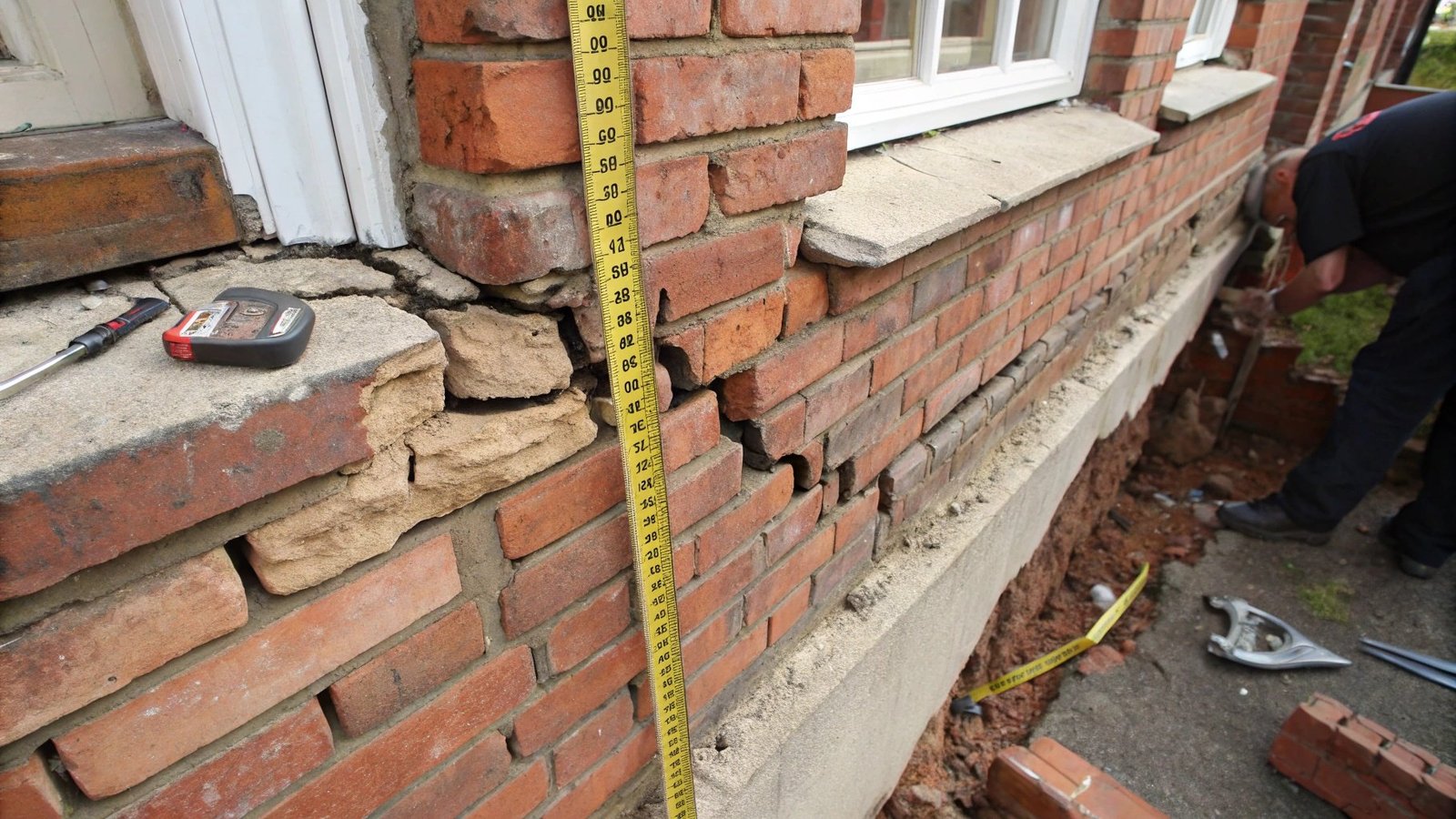
Victorian and Edwardian properties dominate much of Preston's housing stock, particularly in the city centre where rows of characterful terraced housing line street after street. These period homes, built between 1837 and 1910, offer charm, space, and character that modern developments simply can't match. But they also come with unique challenges that every buyer needs to understand.
As surveyors in Preston who've inspected hundreds of Victorian properties across Lancashire, we know these homes inside and out. This comprehensive guide shares everything you need to know about buying older properties, from identifying structural issues to understanding period features worth preserving.
The Appeal of Victorian Property in Preston
Preston's Victorian terraced housing offers several advantages that attract home buyers:
Character and Period Features
High ceilings, ornate cornicing, original fireplaces, sash windows, and decorative tiling - these features create homes with personality. Many buyers prefer the solid feel and spacious rooms of Victorian homes compared to modern housing estates.
Central Locations
Much of Preston's Victorian terraced housing sits in convenient locations near the city centre, offering easy access to amenities, transport links, and employment opportunities. Properties in areas like Deepdale and Ribbleton provide good value compared to newer homes in suburbs like Fulwood.
Investment Potential
Victorian properties, especially terraced housing, are popular with first-time buyers and investors in the Preston property market. Their combination of location, space, and affordability means steady rental demand and good resale potential.
Room to Improve
Many Victorian homes offer scope for improvement and modernization. Converting unused attic space, extending into side returns, or sympathetically updating kitchens and bathrooms can significantly increase value.
Common Issues in Victorian Properties
Before you fall in love with those high ceilings and bay windows, understand the typical problems our surveyors regularly find in Victorian and Edwardian homes across Preston and Lancashire.
1. Damp - The Number One Problem
Damp affects more Victorian properties than any other issue. Understanding the different types is crucial:
Rising Damp
Victorian properties were built before damp-proof courses existed. Moisture rises from the ground through porous brickwork, typically affecting walls up to one meter high. Signs include:
- Tide marks on internal walls
- Peeling wallpaper or flaking paint at skirting level
- White salt deposits on walls (efflorescence)
- Musty smell in rooms
- Rotting skirting boards
Modern damp-proof courses can be retrofitted, but it's expensive work. Our RICS surveys use moisture meters to detect damp even when it's been painted over.
Penetrating Damp
Water penetrates through walls, often due to:
- Pointing failure in brickwork
- Cracked or slipped roof tiles
- Blocked or damaged guttering
- Failed render or pebbledash
- Missing or damaged chimney flashing
This type of damp appears after rain and can affect any part of the building. It's usually fixable by addressing the source of water ingress.
Condensation
Not technically a building defect but common in Victorian homes with solid walls and poor ventilation. Modern living (cooking, washing, drying clothes) creates moisture that condenses on cold surfaces, leading to mold growth.
Solutions include improving heating, ventilation, and sometimes installing room ventilation systems. Less expensive to fix than structural damp but important to identify correctly.
2. Structural Movement and Cracking
Victorian properties have been standing for over 100 years - some movement is normal. However, you need to understand which cracks are concerning:
Settlement vs Subsidence
Most Victorian terraced housing has settled over decades. Old settlement cracks are stable - they've been there for years and aren't getting worse. Our surveyor provides expert assessment distinguishing old settlement from active subsidence.
Warning signs of active problems include:
- Cracks wider than 3mm
- Cracks that widen at one end (tapered)
- Diagonal cracks from corners of windows/doors
- Recent movement (fresh cracking, different from aged paintwork)
- Sticking doors or windows
- Gaps between walls and ceilings or floors
Lintel Failure
Victorian properties typically have stone or wooden lintels above windows and doors. After 100+ years, these can crack or rot, causing the brickwork above to drop slightly. This is a common issue in Preston's terraced housing and usually repairable, though it requires proper structural support during repairs.
Chimney Issues
Redundant chimneys are common sources of problems:
- Leaning chimney stacks (visible from street level)
- Failed pointing allowing water penetration
- Missing chimney pots or cowls
- Internal breast removal without proper structural support
Chimney repairs can be expensive, especially if scaffolding is required. A comprehensive building survey assesses chimney condition from ground level and, where possible, closer inspection.
3. Roof Problems
Victorian slate roofs can last 100-150 years if well maintained, but many Preston properties are reaching the end of their original roof's life.
Slate Deterioration
Look for:
- Slipped or missing slates
- Nail sickness (fixing nails rusting through)
- Delaminating slates (visible flaking)
- Sagging roofline indicating timber problems
Partial repairs may buy time, but a roof nearing end-of-life requires budgeting for complete replacement - typically £6,000-£12,000 for a Victorian terrace.
Valley Gutters
Terraced housing often shares valley gutters between properties. These hidden gutters collect debris and can fail, causing leaks that damage multiple homes. They're a common source of disputes between neighbors and expensive to repair properly.
4. Original Windows
Traditional sash windows are beautiful but high maintenance:
- Wooden frames rot without regular painting
- Single glazing means poor thermal efficiency
- Sash cords break requiring repair
- Draughty when not maintained
Replacement is expensive but consider conservation area restrictions - some Preston areas require like-for-like replacement to preserve character.
5. Electrical and Plumbing
Many Victorian properties still have outdated services:
Electrical Systems
- Original wiring (dangerous - should be completely rewired)
- Insufficient sockets for modern living
- Old fuse boxes requiring upgrade to modern consumer units
- No RCD protection (required by current regulations)
Full rewiring costs £3,000-£5,000 but is essential for safety. Our surveys always check fuse boards and recommend electrical testing.
Plumbing
- Lead pipes (should be replaced)
- Old iron pipes prone to corrosion
- Inadequate water pressure from old pipework
- Shared drainage with neighboring properties
6. Solid Wall Construction
Victorian properties have solid walls (typically 9-inch single brick) rather than modern cavity walls. This means:
- More susceptible to penetrating damp
- Poor thermal insulation
- Higher heating costs
- More challenging to improve insulation
Internal or external wall insulation can be retrofitted but is expensive (£4,000-£13,000) and can change the property's appearance or reduce room sizes.
What Level of Survey Do Victorian Properties Need?
For any Victorian or Edwardian property, we recommend a Level 3 building survey rather than the standard Level 2 homebuyer survey. Here's why:
Why Level 3 for Victorian Properties
A comprehensive building survey provides:
- Detailed structural assessment: Thorough examination of potential movement, cracking, and structural integrity
- Complete damp investigation: Using moisture meters and understanding complex damp issues
- Roof space inspection: Internal examination of roof timbers, not just external viewing
- Services assessment: Detailed commentary on electrical, plumbing, and heating systems
- Repair prioritization: Clear guidance on what needs immediate attention vs long-term planning
- Cost estimates: Realistic figures for addressing identified issues
The extra cost of a Level 3 survey (typically £200-£300 more than Level 2) is money well spent on older properties where hidden problems are more likely.
Questions to Ask During Viewings
When viewing Victorian properties in Preston, ask:
About Previous Work
- When was the roof last replaced or repaired?
- Has the property been rewired? (Ask to see certificates)
- Have the windows been replaced or are they original?
- Has damp-proofing work been done? (Get guarantees in writing)
- When was the boiler installed?
- Has planning permission been obtained for any extensions or alterations?
About Known Issues
- Are there any known problems with damp?
- Do any rooms get cold or have ventilation issues?
- Has there been any movement or cracking?
- Are there issues with drains or plumbing?
- Do neighbors have any ongoing disputes (party wall, boundaries, shared gutters)?
About the Building
- Is the property in a conservation area?
- Is it listed? (This affects what alterations you can make)
- Are there any restrictive covenants?
- What's included in the sale? (Period features, fitted items)
The Survey Report: What to Expect
When our surveyor inspects a Victorian property, expect the survey report to highlight multiple issues. Don't panic - this is normal for older properties. Our job is to identify everything, rate its severity, and help you understand what matters.
Understanding Severity Ratings
Condition 3 (Red): Urgent issues like active structural movement, significant damp, dangerous electrics, or major roof failure. These need addressing quickly and may affect your decision to proceed.
Condition 2 (Amber): Defects requiring attention but not immediately urgent. Expect several of these in Victorian properties - worn pointing, some damp penetration, aging windows, etc.
Condition 1 (Green): Elements in acceptable condition requiring only routine maintenance.
A Victorian property with mostly Condition 2 ratings and a few Condition 3 items is typical. What matters is understanding the cost and urgency of addressing these issues.
Using the Survey for Negotiations
Armed with your detailed report, you can:
- Request price reductions reflecting repair costs
- Ask the seller to complete certain works before completion
- Negotiate retention of funds until specified repairs are done
- Walk away if issues are more serious than you're comfortable with
Sellers in the Preston property market generally expect some negotiation on Victorian properties. Professional evidence from a RICS regulated surveyor gives you strong grounds for discussion.
Conservation Areas and Listed Buildings
Some of Preston's finest Victorian properties sit in conservation areas or have listed building status. Before buying, understand the implications:
Conservation Areas
Preston has several conservation areas protecting historic character. Here you may need planning permission for:
- External alterations (including satellite dishes)
- Window replacement (must be like-for-like)
- Roof changes (including materials)
- Tree work
- Demolition of walls or outbuildings
Listed Buildings
Listed building consent is required for alterations affecting character, even internal ones. This can include:
- Removing or altering original features
- Changing room layouts
- Installing modern bathrooms or kitchens
- Upgrading services
Factor extra time and cost for obtaining consents. However, grants may be available for repairs to listed buildings.
Running Costs: What to Budget
Victorian properties typically cost more to run than modern homes:
Heating
Expect heating bills 30-50% higher than similar-sized modern homes due to solid walls, high ceilings, and draughty windows. Budget for improved insulation where possible.
Maintenance
Ongoing maintenance requirements include:
- External painting every 5-7 years (especially timber windows and doors)
- Gutter cleaning (twice yearly)
- Chimney maintenance
- Periodic repointing
- Boiler servicing
Budget 1-2% of property value annually for ongoing maintenance on Victorian properties.
Insurance
Buildings insurance may cost more due to:
- Solid wall construction
- Age of property
- Higher rebuild costs for period features
- Flood risk in some Preston locations
Making Victorian Properties Work for Modern Living
Many Victorian homes benefit from thoughtful modernization:
Kitchen and Bathroom Updates
Original Victorian kitchens and bathrooms were basic. Modern updates dramatically improve livability while potentially preserving period features in main rooms.
Heating Upgrades
Modern condensing boilers, thermostatic radiator valves, and smart heating controls improve comfort and reduce bills in Victorian properties.
Insulation Improvements
Where possible:
- Loft insulation (typically space available)
- Under-floor insulation in suspended timber floors
- Secondary glazing (preserves original windows while improving thermal performance)
- Draught-proofing doors and windows
Sympathetic Extensions
Side returns, rear extensions, and loft conversions can add valuable space. Work with architects experienced in period properties to maintain character while adding modern functionality.
Victorian vs Modern: Making the Right Choice
Should you buy a Victorian property or opt for a modern home in housing estates like those in Fulwood or Cottam? Consider:
Choose Victorian If:
- You value character and period features
- Central location is important
- You're prepared for ongoing maintenance
- You have budget for potential repairs
- You enjoy improvement projects
Choose Modern If:
- Low maintenance appeals
- Energy efficiency is a priority
- You prefer turnkey ready-to-move-in properties
- You want warranties and guarantees
- Modern open-plan living suits your lifestyle better
There's no right answer - it depends on your priorities, budget, and appetite for ongoing involvement in your property's upkeep.
Final Checklist for Victorian Property Buyers
Before committing to a Victorian or Edwardian property in Preston:
- ✅ Get a Level 3 building survey from a RICS surveyor
- ✅ Budget for identified repairs plus 10% contingency
- ✅ Factor in higher running and maintenance costs
- ✅ Check conservation area and listed building restrictions
- ✅ Obtain quotes for any major works identified
- ✅ Get electrical and gas safety certificates
- ✅ Understand shared responsibilities (party walls, valleys, etc.)
- ✅ Research flood risk, especially near the River Ribble
- ✅ Visit at different times of day
- ✅ Talk to neighbors about area and building issues
Conclusion: Are Victorian Properties Worth It?
Victorian and Edwardian properties in Preston offer charm, space, and location that modern developments can't match. Yes, they require more maintenance. Yes, they may have issues that need addressing. But with realistic expectations, proper surveys, and sensible budgeting, they make wonderful homes.
The key is going in with eyes open. Don't let beautiful period features blind you to structural issues or necessary repairs. Get a thorough survey from an experienced surveyor in Preston who understands older properties. Use the findings to negotiate fairly and budget realistically.
Thousands of families live happily in Preston's Victorian terraced housing. With the right approach and professional advice, you can join them.
Considering a Victorian Property?
Our experienced RICS surveyors specialize in Victorian and Edwardian properties across Preston and Lancashire. We provide comprehensive Level 3 building surveys tailored to older properties, helping you understand exactly what you're buying.
Get Your Survey Quote