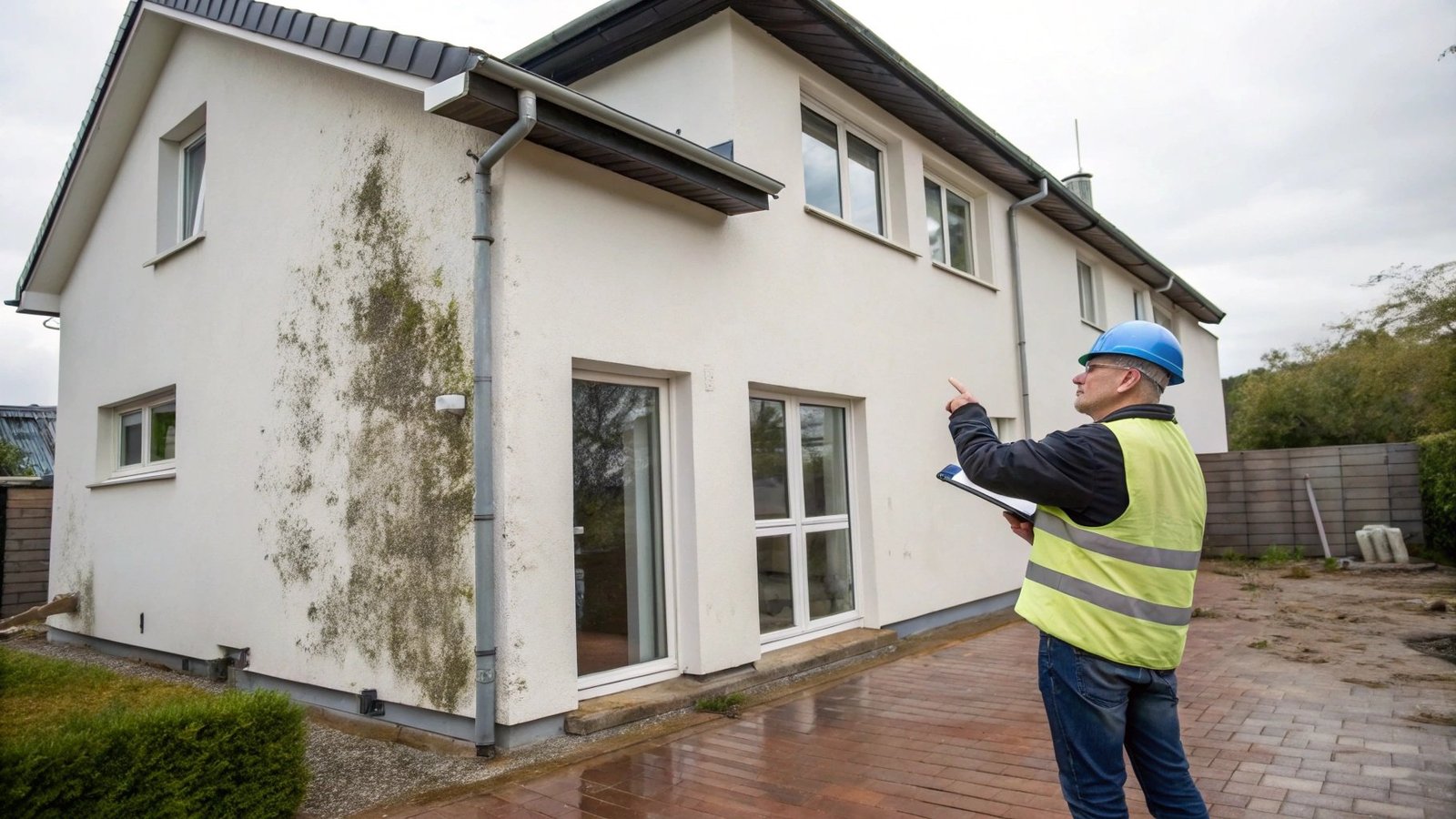
Damp is the most common problem we encounter when surveying older properties across Preston and Lancashire. Whether it's Victorian terraced housing in the city centre or period homes in Fulwood, damp issues affect a huge proportion of properties built before modern damp-proofing methods were introduced.
As surveyors in Preston who've inspected thousands of properties, we've seen every type of damp imaginable. The good news? Most damp problems are fixable once you correctly identify the cause. The bad news? Misdiagnosed damp leads to expensive, ineffective remedial work that doesn't solve the underlying issue.
This guide explains the three main types of damp, how to identify each one, and the most effective solutions based on our experience with residential property across Lancashire.
Understanding the Three Types of Damp
Not all damp is the same. Successful treatment depends on correctly identifying which type you're dealing with:
1. Rising Damp
Rising damp occurs when ground moisture rises up through walls via capillary action. This predominantly affects older properties built without damp-proof courses (DPCs) - essentially any building constructed before 1875, and many built until the early 1900s.
How to Identify Rising Damp:
- Affects ground floor walls, typically up to 1 meter high (the maximum height water can rise)
- Creates a distinct "tide mark" on walls where dampness stops
- Causes paint or wallpaper to peel at skirting level
- White salt deposits appear on wall surfaces (efflorescence)
- Plaster becomes soft and crumbly when prodded
- Skirting boards and timber floors near walls show signs of rot
- Musty smell, particularly noticeable in unventilated rooms
In Preston's Victorian terraced properties, rising damp is extremely common because these homes were built with solid brick walls sitting directly on foundations with no barrier to moisture.
2. Penetrating Damp
Penetrating damp happens when water enters through walls, roofs, or windows. Unlike rising damp, it can affect any part of the building and often appears after heavy rain.
How to Identify Penetrating Damp:
- Appears anywhere on walls, not just at ground level
- Gets worse during or after rain, improving in dry weather
- Damp patches have irregular shapes rather than horizontal tide marks
- May appear on internal walls where external walls have problems
- Often associated with specific defects (cracked render, missing tiles, blocked gutters)
- Can affect any floor level, not just ground floors
Common causes in Lancashire properties include:
- Failed or eroded pointing in brickwork
- Cracked or damaged render/pebbledash
- Missing, slipped, or broken roof tiles
- Blocked, leaking, or missing gutters and downpipes
- Failed sealant around windows and doors
- Chimney problems (missing pots, failed flashing, porous brickwork)
- Bridged cavity walls (in properties built after 1920)
3. Condensation
Condensation isn't technically a building defect - it's caused by moisture in the air condensing on cold surfaces. However, it's frequently confused with rising or penetrating damp, leading to inappropriate (and expensive) remedial work.
How to Identify Condensation:
- Appears on cold surfaces: windows, cold walls, corners, behind furniture
- Worse in winter when heating is used and windows kept closed
- Creates mold growth (black spots) rather than salt deposits
- Affects bathrooms, kitchens, and poorly ventilated rooms most
- Water droplets visible on windows and mirrors
- Musty smell similar to rising damp but without damaged plaster
Condensation is particularly common in Preston's older properties where:
- Solid walls provide poor insulation
- Original single-glazed windows are still fitted
- Inadequate ventilation exists (sealed fireplaces, lack of trickle vents)
- Modern heating creates moisture (cooking, bathing, drying clothes)
How Surveyors Diagnose Damp
During a building survey or Level 3 survey, we use several methods to identify damp and determine its type:
Visual Inspection
Experienced surveyors can often identify damp type from visual signs alone:
- Pattern and location of damp
- Type of staining or damage
- Presence of salts vs mold
- Correlation with building defects
Moisture Meters
Electronic moisture meters measure water content in walls. We use two types:
- Pin-type meters: Inserted into walls to measure electrical resistance (more moisture = less resistance)
- Non-invasive meters: Scan wall surfaces without leaving marks
However, moisture meters can't distinguish between damp types - they only detect presence of moisture. That's why experienced interpretation is crucial.
Salt Analysis
Different damp sources produce different salts:
- Hygroscopic salts: From rising damp, draw moisture from air
- Chlorides and nitrates: Indicate ground moisture sources
- No salts: Suggests condensation rather than penetrating/rising damp
Specialist damp surveyors can analyze wall samples to determine damp causes accurately.
Solutions for Rising Damp
Rising damp requires installing a damp-proof course (DPC) in walls that don't have one, or repairing/replacing failed DPCs. Several methods exist:
Chemical Damp-Proof Course (Most Common)
How it works: Silicone-based fluid is injected into holes drilled along the mortar course. As it cures, it creates a water-repellent barrier.
Advantages:
- Less disruptive than physical DPC insertion
- Suitable for most wall types
- Can be done from inside or outside
- Usually comes with guarantees (20-30 years typical)
Costs: £500-£1,500 for a typical terraced property, depending on wall length
Physical DPC Insertion
How it works: The existing wall is cut horizontally using special saws, and a physical DPC membrane is inserted into the cut.
Advantages:
- Proven traditional method
- Works definitively if done correctly
- No chemical concerns
Disadvantages:
- More expensive (£2,000-£4,000 typically)
- Highly disruptive
- Risk of structural problems if not done properly
Tanking/Waterproofing
How it works: Internal walls are treated with waterproof cement-based coating or membrane systems, preventing moisture reaching internal surfaces.
When to use: Below-ground rooms (basements, cellars) where stopping moisture entry is impossible
Important: Tanking doesn't stop damp - it just hides it. Moisture remains in walls but can't reach internal spaces. Not suitable for most residential situations.
After DPC Installation
Installing a DPC is only half the solution:
- Replastering required: Contaminated plaster must be removed up to 1 meter high and replaced with salt-resistant plaster
- Drying time: Walls can take 6-12 months to fully dry after DPC installation
- External ground levels: Must be at least 150mm below DPC level
- Airbricks: Ensure sub-floor ventilation isn't blocked
Solutions for Penetrating Damp
Penetrating damp solutions focus on preventing water entry:
Repointing
Failed mortar joints let water penetrate. Repointing involves:
- Raking out old mortar to depth of 15-20mm
- Filling with lime mortar (for older properties) or appropriate cement mix
- Proper curing to prevent cracking
Costs: £40-£60 per square meter for scaffolding access areas
Roof Repairs
Common roof-related damp sources:
- Missing/slipped tiles: Individual replacement (£100-£200 per area)
- Valley gutter failure: Complex repair (£500-£2,000)
- Failed flashing: Around chimneys, £300-£800 to replace
- General roof deterioration: May require full replacement
Gutter and Downpipe Maintenance
Often overlooked but crucial:
- Clear gutters twice yearly (autumn and spring)
- Repair leaking joints and brackets
- Ensure downpipes drain away from walls
- Check underground drainage isn't blocked
Prevention: Regular maintenance costs £100-£200 annually; fixing penetrating damp damage costs thousands
Render Repairs
Failed render on Victorian properties:
- Patch repairs: £200-£500 for small areas
- Full re-render: £3,000-£8,000 for typical terrace
- Use breathable lime render on older properties (not cement)
Solutions for Condensation
Condensation requires a different approach focusing on moisture reduction and ventilation:
Immediate Actions
- Ventilate while cooking/bathing: Open windows, use extraction fans
- Dry clothes outside: Or use a vented tumble dryer
- Maintain consistent heating: Avoid letting properties get cold
- Keep furniture away from walls: Allow air circulation
- Use dehumidifiers: In problem rooms
Medium-Term Solutions
- Install extraction fans: Bathrooms and kitchens (£200-£400 each)
- Add trickle vents: To windows (£50-£100 per window)
- Improve heating: More efficient, controllable systems
- Treat mold: Fungicidal wash then mold-resistant paint
Long-Term Improvements
- Double glazing: Reduces cold surfaces (£3,000-£8,000 for whole house)
- Wall insulation: Internal or external (£4,000-£13,000)
- Mechanical ventilation systems: Whole-house ventilation with heat recovery (£4,000-£8,000)
Damp Surveys: When to Get Professional Help
You should get a professional damp assessment if:
- You're buying a property and the survey identifies damp
- You see signs of damp but aren't sure of the cause
- Previous damp treatment hasn't worked
- You're planning major works and want to address damp first
- There's ongoing disagreement about damp causes
What to Expect
A specialist damp survey includes:
- Visual inspection of affected areas and potential causes
- Moisture meter readings across multiple wall areas
- Assessment of building defects contributing to damp
- Salt analysis (if appropriate)
- Written report with findings and recommendations
- Cost estimates for remedial works
Costs: £200-£500 for comprehensive damp surveys of typical properties
Common Damp Treatment Mistakes
We regularly see ineffective damp treatments. Avoid these errors:
Mistake 1: Treating Symptoms Not Causes
Painting over damp with "damp-proof" paint doesn't stop damp - it just hides it temporarily. Address the source first.
Mistake 2: Chemical DPC for Penetrating Damp
Rising damp treatments don't fix penetrating damp or condensation. Identify the type correctly before spending money.
Mistake 3: Ignoring External Issues
New internal DPC is pointless if external ground levels remain above it, or if gutters still leak onto walls.
Mistake 4: Using Wrong Materials
Cement render and gypsum plaster trap moisture in older properties. Use breathable lime-based materials instead.
Mistake 5: Over-Reliance on Moisture Meters
Meters detect moisture but not its source. They can give false readings from hygroscopic salts. Professional interpretation is essential.
Damp in Different Property Types
Victorian Terraced Housing (Pre-1900)
Most likely issues:
- Rising damp (no original DPC)
- Penetrating damp from failed pointing
- Condensation from solid walls and poor ventilation
Edwardian Properties (1900-1920)
Similar to Victorian but may have slate DPCs that have failed. Check for bridged cavities in later properties.
1930s-1960s Housing
Usually have DPCs, so:
- Check for bridged or failed cavities
- Cavity wall tie corrosion can cause damp
- Penetrating damp from aging components
Modern Properties
Rising damp rare. Issues typically:
- Construction defects
- Condensation from high insulation/poor ventilation balance
- Plumbing leaks
Questions to Ask Damp Specialists
If getting quotes for damp treatment, ask:
- What type of damp do they believe is present?
- What evidence supports this diagnosis?
- What's causing the damp (not just where it appears)?
- Will they address causes as well as symptoms?
- What guarantee is provided and who backs it?
- Are they members of professional bodies (PCA, RICS)?
- Can they provide references from similar work?
- Do costs include all necessary work (replastering, decorating)?
Conclusion: Taking Control of Damp Problems
Damp in older properties is common but manageable. The key is correct identification of the type and cause before attempting treatment. Rushed or incorrect diagnosis leads to expensive, ineffective work.
When purchasing a property with damp:
- Get a proper survey identifying damp type and severity
- Obtain specialist reports if recommended
- Get multiple quotes for remedial work
- Factor treatment costs into negotiations
- Consider walking away if damp is severe or poorly understood
For existing properties, tackle damp systematically: identify the type, understand the cause, address sources not just symptoms, use appropriate materials and techniques, and allow proper drying time.
Most importantly, don't panic. While damp can sound scary, it's usually fixable. Armed with knowledge and professional advice from RICS surveyors, you can make informed decisions and ensure effective treatment.
Need Professional Damp Assessment?
Our RICS surveyors have extensive experience identifying and advising on damp issues in Preston properties. We provide detailed analysis and practical recommendations in our survey reports.
Get Your Survey Quote